Itinerário do tour
Arrival to Santa Cruz city. Dinner and Hotel provided. Not birding activities today.
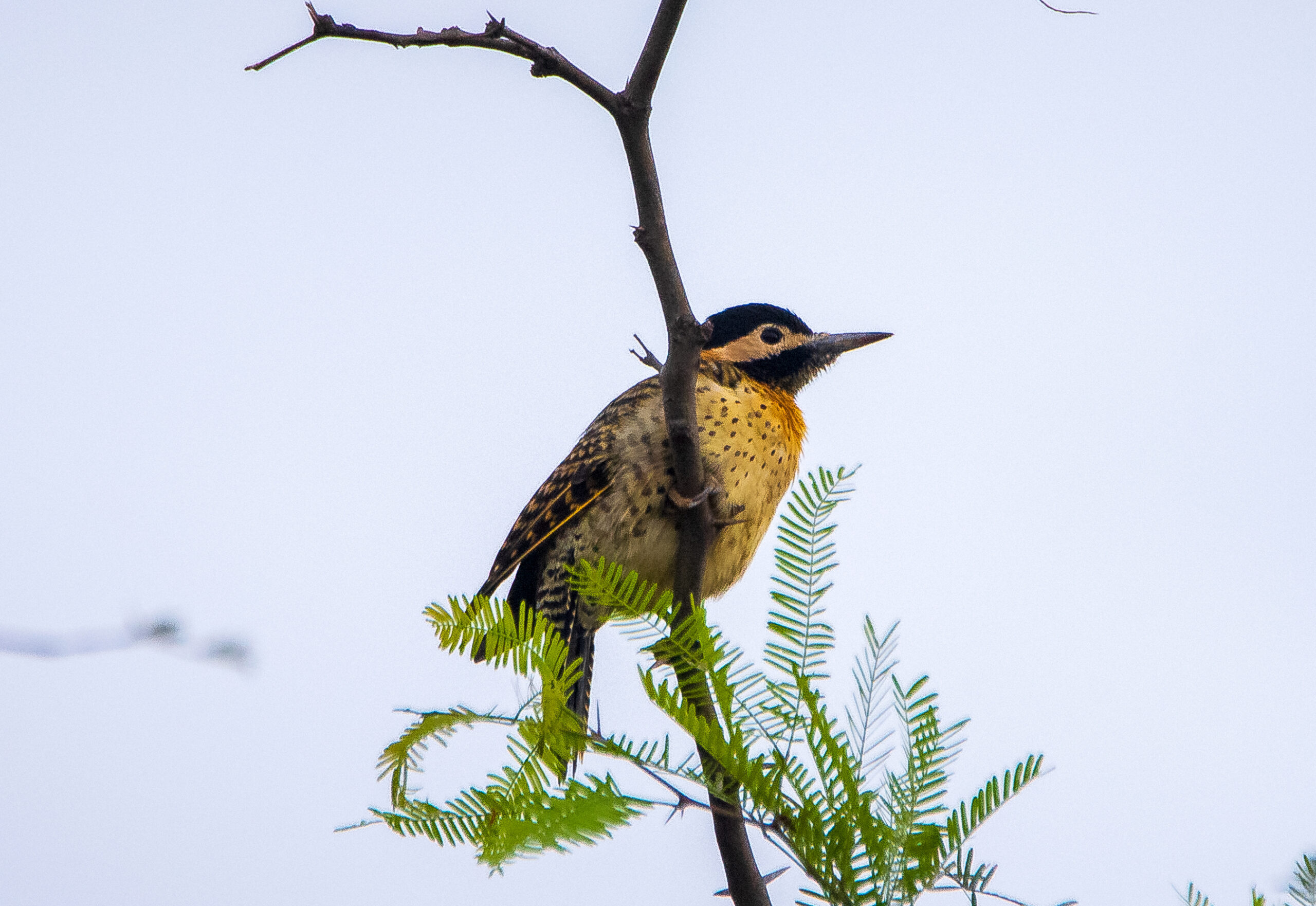
After a very early breakfast, we will go to Lomas de Arena state park we will explore some of the nearby woodlands and grasslands in search of species like Red-legged Seriema, Long-winged Harrier, Golden-collared Macaw, White Woodpecker, Spot-backed & White-eared Puffbirds amongst others. After lunch, we will head to Viru Viru Airport to these massive grasslands habitat and try to get things like: Greater Rea, Red-winged Tinamou & White-bellied Nothura, Campo Flicker, Chopi Blackbird, Burrowing Owls, and much more. After an exciting start to the tour, we will have a good night’s sleep in a comfortable hotel in Santa Cruz.
We travel west into the spectacular Amboró National Park, a 1.5-million-acre wilderness where the Andes meet the Amazon, Chaco, and Brazilian Shield. Based at the comfortable Refugio Los Volcanes Lodge, we’ll explore lush subtropical forests home to over 800 bird species.
Target birds include Military Macaw, King Vulture, Spectacled Owl, Sunbittern, Bolivian Tapaculo, Slaty Gnateater, Bolivian Recurvebill (rare), Plush-crested Jay, and colorful mixed flocks of tanagers. The valley is also rich in parrot species such as Mitred, Blue-crowned, Green-cheeked, and Yellow-chevroned Parakeets.
Mornings will be dedicated to birding, with breaks to enjoy the streams and natural pools near the lodge, and evenings focused on nocturnal species like the Spectacled Owl.
A number of localized species hard to see elsewhere in Bolivia occur around Samaipata, and we will spend the morning trying to get good looks at as many of these species as possible. Some of the local specialties include Huayco Tinamou, Andean Condor, Black-faced Ibis, Dusky-legged Guan, the endemic Red-fronted Macaw, Creambacked Woodpecker, Stripe-crowned Spinetail, Giant Antshrike, Greater Wagtail-Tyrant and White-tipped Plantcutter.
Following a good lunch, we will continue our trip westward. With a birding stop or two along the way, we will pass through dry deciduous forests before eventually entering into a zone of arid inter- Andean valleys lying within a rain shadow formed by the surrounding mountains. Around sunset we will pull into the little town of Tambo (about 1,700 metres). This area of Bolivia is rural to say the least, and distant from any large town. We will check in to the MISSION SCHOOL close to Comarapa: TAMBO MONTE BLANCO, which offers clean rooms with private bathrooms and a restaurant.
We explore contrasting habitats, from the arid inter-Andean valleys near Tambo and Saipina to the lush cloud forests of Siberia.
In the dry woodlands, highlights include several Bolivian endemics such as Bolivian Earthcreeper, Rufous-faced Antpitta, Bolivian Warbling-Finch, and Gray-bellied Flowerpiercer, along with specialties like Red-tailed Comet, Spot-breasted Thornbird, and Tataupa Tinamou.
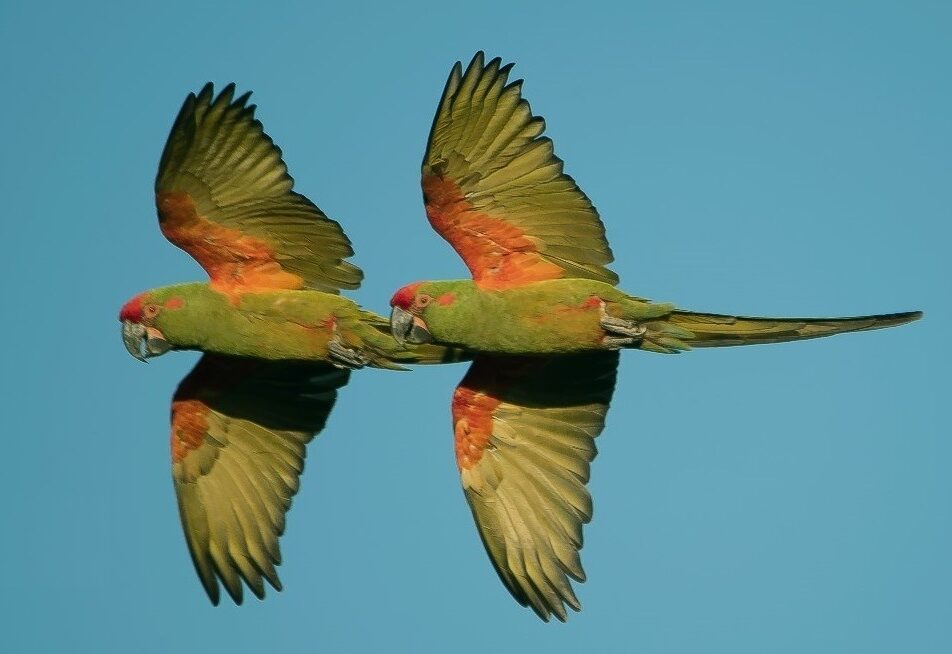
The main focus, however, is the spectacular and rare Red-fronted Macaw, one of South America’s scarcest macaws, restricted to these remote valleys. With luck, we will enjoy unforgettable views of this striking species during a visit to the Red-fronted Macaw Reserve managed by Armonia.
One day is devoted to the Siberia cloud forests (2,600 m), the southernmost stronghold of humid Andean forest. Here we search for high-elevation birds along forested trails and quiet roads, adding a very different suite of species to our growing list.
We continue our way up to the city of Cochabamba (2,400 m), driving through a variety of habitats and making several birding stops along the way. The journey offers fantastic Andean landscapes and good chances to spot interesting species. We arrive in Cochabamba in the late afternoon, just in time for dinner and to settle into our hotel.
After a long travel day, we overnight in downtown Cochabamba at Hotel Regina.
Located in the temperate valleys of the central Andes, Cochabamba is known as the “city of eternal spring” for its pleasant year-round climate. The department provides access to an extraordinary range of habitats—from upper tropical, subtropical, and temperate forests on the wet eastern slopes to arid scrub, puna grassland, and Polylepis woodland on the intermontane side. Despite being one of Bolivia’s smallest departments, Cochabamba holds the highest concentration of endemic species in the country.
We spend a full day birding in the surroundings of Cochabamba, beginning in the high-elevation habitats of Cerro Tunari. Here, highlights may include iconic Andean species such as the Andean Condor, Mountain Caracara, Giant Hummingbird, and the endemic Cochabamba Mountain-Finch.
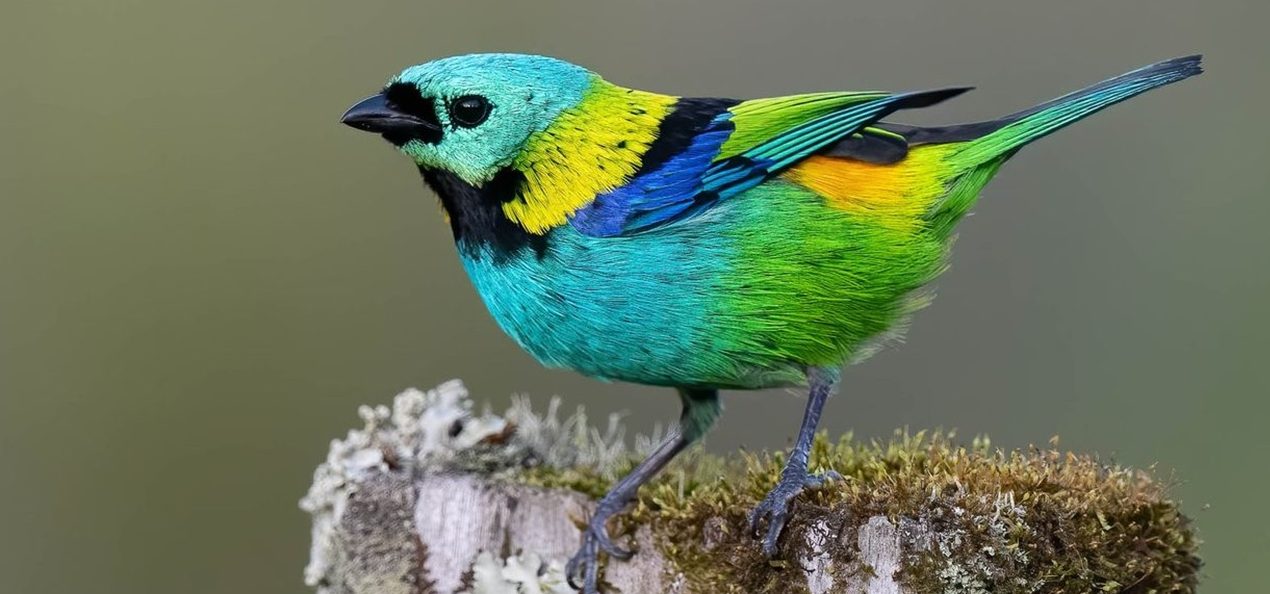
In the afternoon, we move south to Alalay Lake, a wetland rich in waterfowl and marsh specialists. Among the species we may find are Andean Duck, Puna Teal, Fulvous Whistling-Duck, Plumbeous Rail, and the colorful Many-colored Rush-Tyrant. The scrubby areas around the lake also hold interesting passerines such as White-tipped Plantcutter and Blue-and-yellow Tanager.
We leave early in the morning to spend the day birdwatching in temperate forests at Tablas Monte along the new highway to Santa Cruz. Birds which may be seen during the day include Violet- throated Startfrontlet, Great Sapphirewing, Hooded Mountain-Toucan, Light-crowned Spinetail, Black-throated Thistletail (Cochabamba form), Rufous-faced Antpitta, Diademed Tapaculo, Rufous- bellied Bush-Tyrant and Gray-bellied Flower-piercer.
We have another early departure, this morning heading to Miguelito (lower Cloud Forest) along the new highway towards Santa Cruz. More superlative birding might include Sickle-winged Guan, Stripe-faced Wood-Quail, Solitary Eagle, Black-and-Chestnut Eagle, White-throated Quail-Dove, Rufous-capped Thornbill, Upland Antshrike, Yellow-rumped Antwren (rare), Ochre-breasted Antpitta (rare), Fulvous-breasted Flatbill, White-eared Solitaire and Straw-backed Tanager.
We return to Cochabamba for our final night here.
Today we leave Cochabamba and transfer to Oruro, a beautiful drive through the Bolivian Altiplano. Altiplano means “high plain” but in reality the landscape consists of valleys, rolling hills, salt flats, volcanoes, rivers, and lakes like the URO URO, which together provide habitat for birds such as Crested Duck, Puna Teal, Puna Flamingo, Andean Flamingo and Chilean Flamingo, Cinereous Harrier, Andean Avocet, Puna Plover, Andean Gull, Taczanowski's Ground-Tyrant, Rufous-naped Ground- Tyrant, Puna Ground-Tyrant, Andean Swallow, Short-billed Pipit, Correndera Pipit, and Yellow- winged Blackbird. Night in Oruro.
We travel from Oruro to La Paz, taking the full day to bird en route while enjoying a picnic lunch. Along the way, we may encounter specialties such as the recently described Inquisivi Spinetail, Puna Snipe, Rock and Bolivian Earthcreepers, and several Andean finches and tyrants.
La Paz, the world’s highest capital at 3,600 m, lies dramatically in a deep canyon beneath the snow-capped Illimani. Over the next days, we will explore the surrounding Andean landscapes and also experience the rich cultural traditions of the region, from rural markets to Aymara-speaking communities.
We will be based at the charming Hotel Residencial Rosario, well located near the craft markets and offering excellent meals.
We spend two days birding a spectacular transect from the high Puna bogs and altiplano down into the lush Yungas cloudforest. Crossing the high pass at La Cumbre, the winding road descends over 14,000 feet in just 100 km, offering dramatic views of deep canyons, misty ridges, and pristine forests.
Birding highlights at higher elevations may include Andean Goose, Rufous-bellied and Gray-breasted Seedsnipes, the endemic Black-hooded Sunbeam, Tawny Tit-Spinetail, Chestnut-crested Cotinga, Hooded and Chestnut-bellied Mountain-Tanagers, Golden-collared Tanager, Plushcap, and many more.
We overnight in Coroico (Rio Selva Resort or similar), giving us time to bird the lower slopes the next morning, while our main luggage remains safely stored in La Paz.
We’ll return to La Paz, concentrating on the upper elevations of the Yungas, or Cloudforest, and checking for birds we may have missed yesterday on our way down. There are a lot of birds in this area, so it will be a busy morning trying to encounter as many of them as possible! Then we will continue our journey to Lake Titicaca, although is on the other side of La Paz city and another 80 kms further, it is best to get there for the night and avoid the city one more night. Night in Hotel by the Lake.
Lake Titicaca is considered one of the most mystical places in South America. Perched high on the altiplano at the Bolivia–Peru border, its deep, sapphire-blue waters were believed by the Incas to be the birthplace of their civilization. With depths reaching 1,500 feet and surrounded by the snow-capped peaks of the Cordillera Real, the lake offers some of the most spectacular panoramas in the Andes.
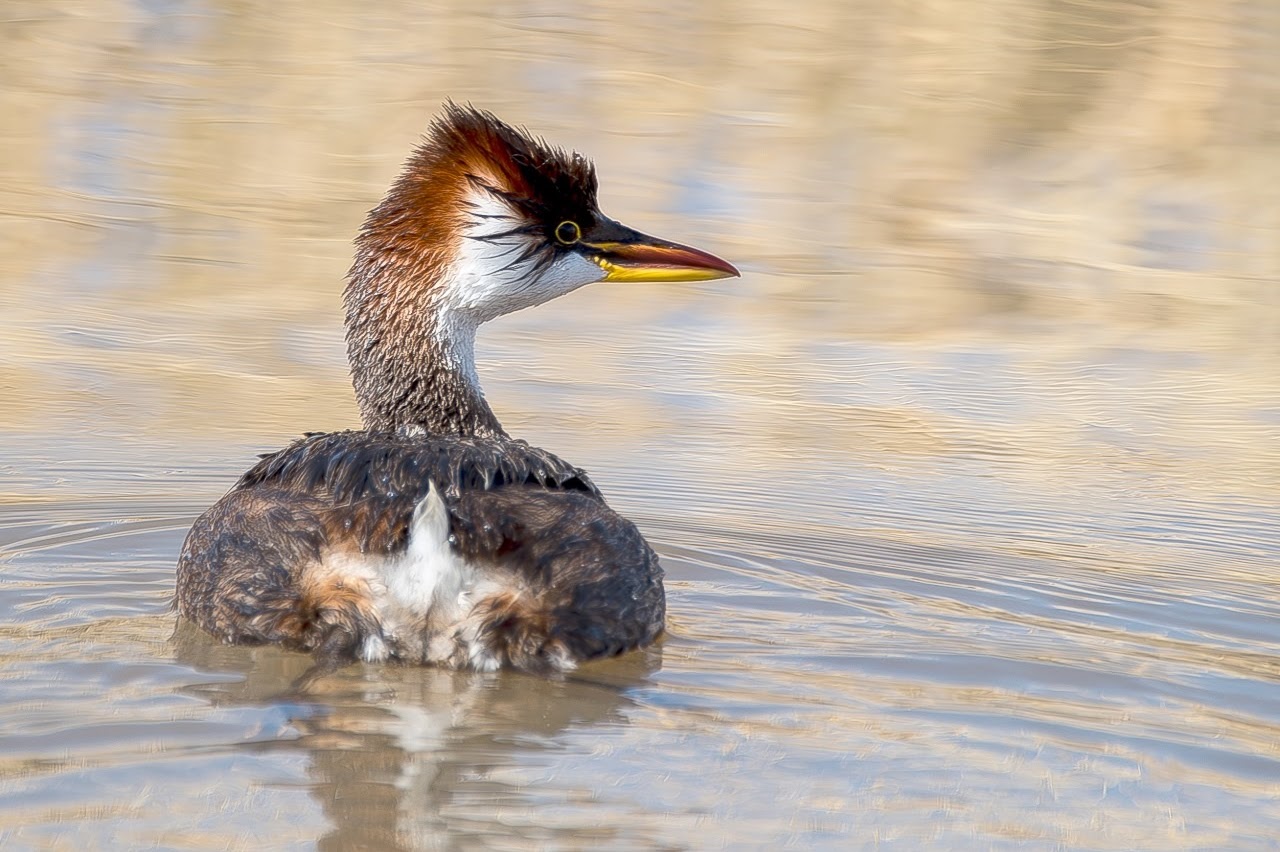
In the morning, we explore the rich avifauna of Titicaca, with the chance of finding the endemic Flightless Grebe. Later, we continue toward Sorata in search of one of South America’s rarest birds, Berlepsch’s Canastero, which is restricted to a single valley near this small town. The journey from the lake down to Sorata and back to La Paz provides unforgettable views of Mount Illampu (20,867 ft) and Mount Ancohuma (21,080 ft).
International Flight back home.