Tour Itinerary
Arrival to Viru Viru airport in Santa Cruz, a place surrounded by beautiful natural grasslands, hard to resist picking up the binoculars even before we leave the airport!
After collecting our baggage and meeting our local guide and driver, we will explore some of the nearby woodlands and grasslands in search of species like White-bellied Nothura, Red- winged Tinamou, Long-winged Harrier, Golden-collared Macaw, Bicolored Seedeater, White Woodpecker and Greater Rhea amongst others (we will have access to our luggage and facilities at the airport if we need to change clothes). After lunch and a well-earned rest at our hotel after the long journey, we will continue birding in the late afternoon. After an exciting start to the tour, we will have a good night’s sleep in a comfortable hotel in Santa Cruz.
The journey continues west toward Amboró National Park, one of Bolivia’s most biodiverse regions with over 830 bird species across Amazonian, Chaco, and Andean ecosystems. Our comfortable base for two nights will be Refugio Los Volcanes, located in a scenic valley surrounded by pristine subtropical and temperate forests.
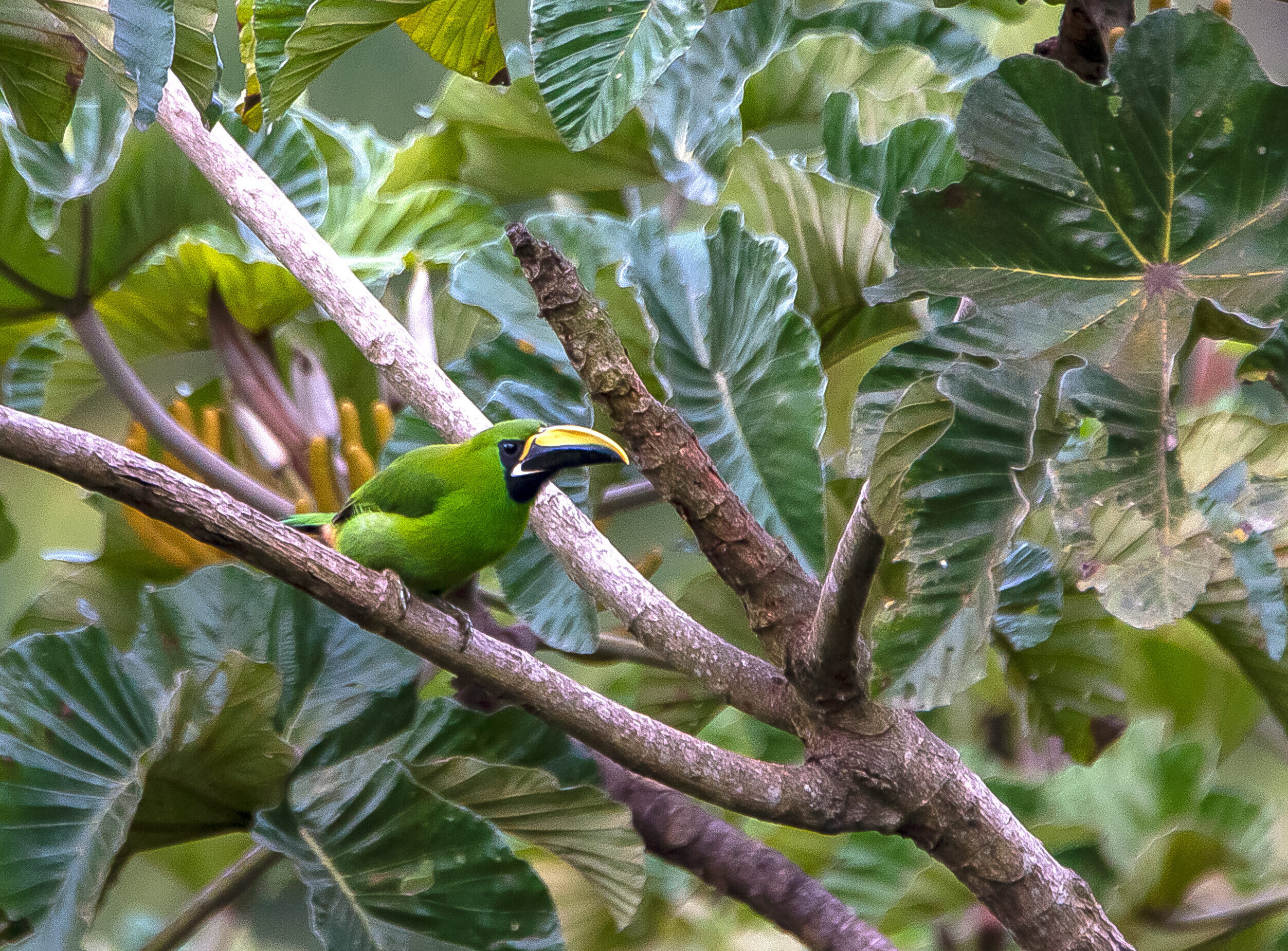
Birding highlights include a rich variety of parrots such as Mitred, Blue-crowned, Green-cheeked, and Yellow-chevroned Parakeets, and, seasonally, the striking Military Macaw. Other key species to look for are Huayco Tinamou, King Vulture, Sunbittern, Spectacled Owl, Channel-billed Toucan, Bolivian Tapaculo, Crimson-crested Woodpecker, Black-capped Antwren, Straw-backed Tanager, and the rare Bolivian Recurvebill. Colorful tanager flocks and hummingbirds add to the diversity.
The daily rhythm balances early morning and late afternoon birding with time to relax in the lodge’s natural surroundings, swim in a clear-water pool, and enjoy the peaceful atmosphere of the valley. Nocturnal excursions may also provide chances to see owls and other night birds.
A number of localized species hard to see elsewhere in Bolivia occur around Samaipata, and we will spend the morning trying to get good looks at as many of these species as possible. Some of the local specialties include Huayco Tinamou, Andean Condor, Black-faced Ibis, Dusky-legged Guan, the endemic Red-fronted Macaw, Cream-backed Woodpecker, Stripe- crowned Spinetail, Giant Antshrike, Greater Wagtail-Tyrant and White-tipped Plantcutter.
Following a good lunch, we will continue our trip westward. With a birding stop or two along the way, we will pass through dry deciduous forests before eventually entering into a zone of arid inter-Andean valleys lying within a rain shadow formed by the surrounding mountains. Around sunset we will pull into the little town of Tambo (about 1,700 meters). This area of Bolivia is rural to say the least, and distant from any large town. We will check in to the one small hotel, the MonteBlanco Mission School, which offers clean rooms with private bathrooms and a restaurant.
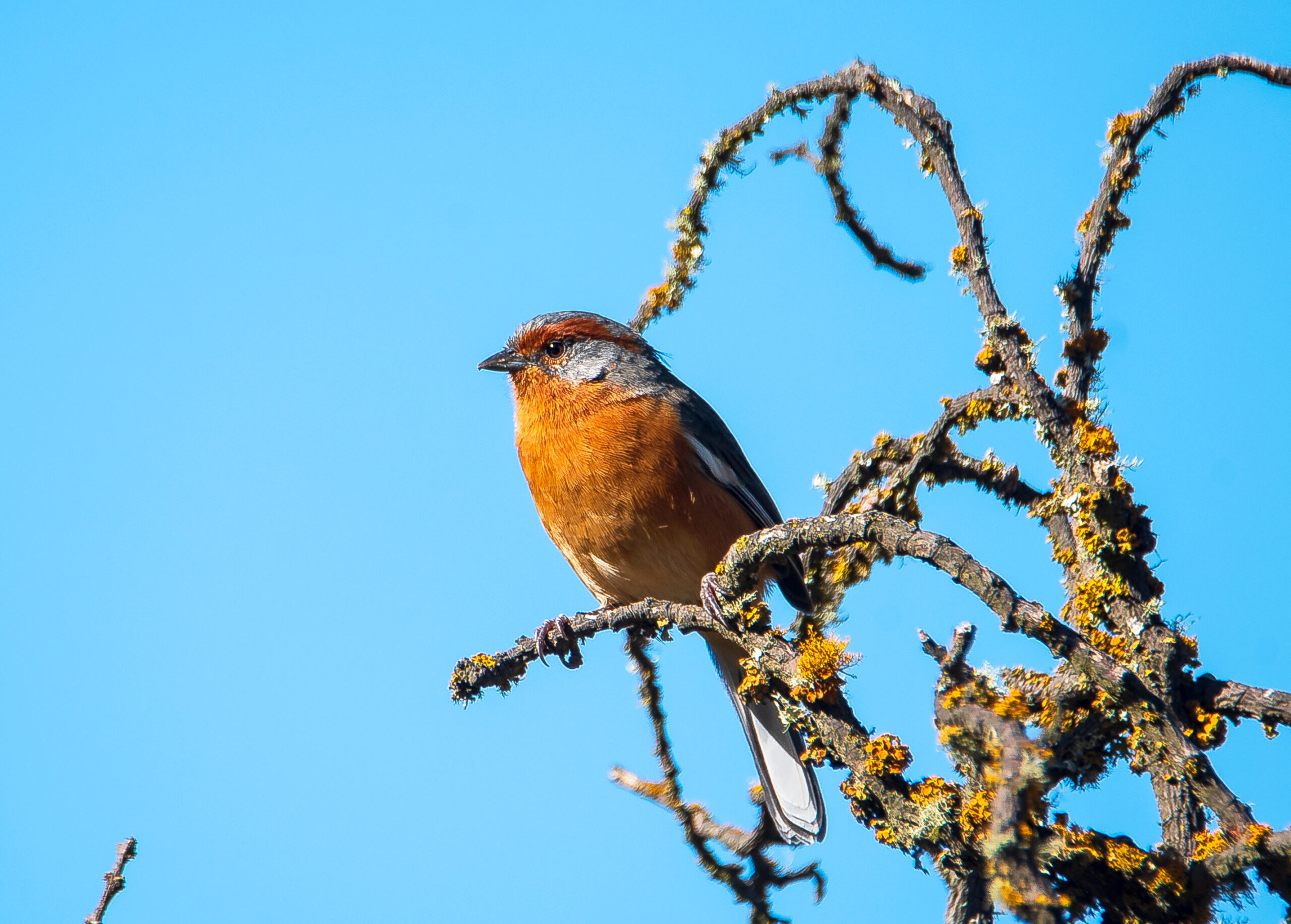
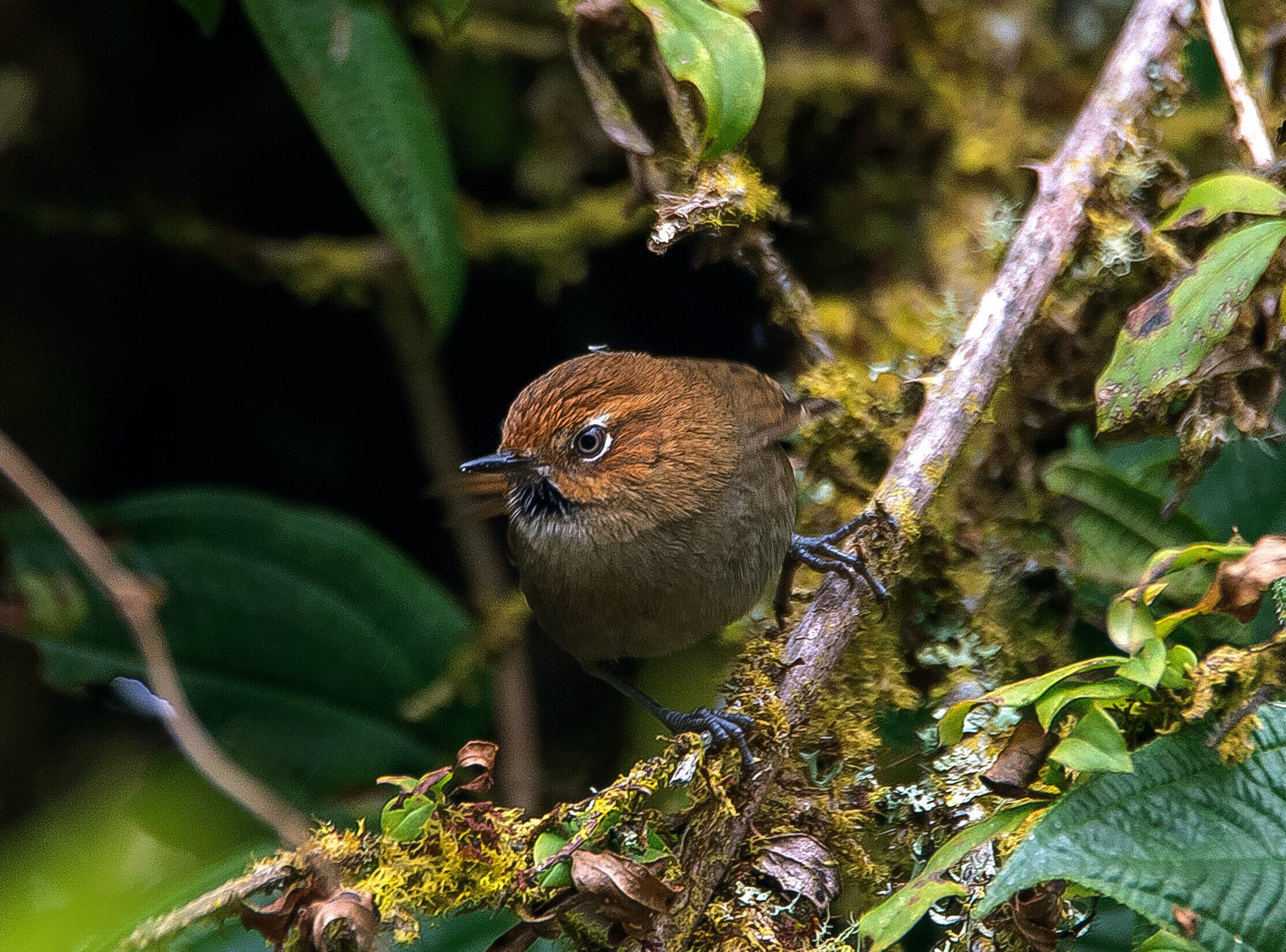
These days are dedicated to exploring the dry inter-Andean valleys and cloud forests of central Bolivia, a region home to some of the country’s most unique and localized species. Around Tambo and Comarapa, birding is concentrated in the early mornings and late afternoons, targeting specialties such as Tataupa Tinamou, White-eared Puffbird, Bolivian Earthcreeper, Rufous-faced Antpitta, Red-tailed Comet, Olive-crowned Crescent-chest, and several endemics including Bolivian Warbling-Finch and Gray-bellied Flowerpiercer.
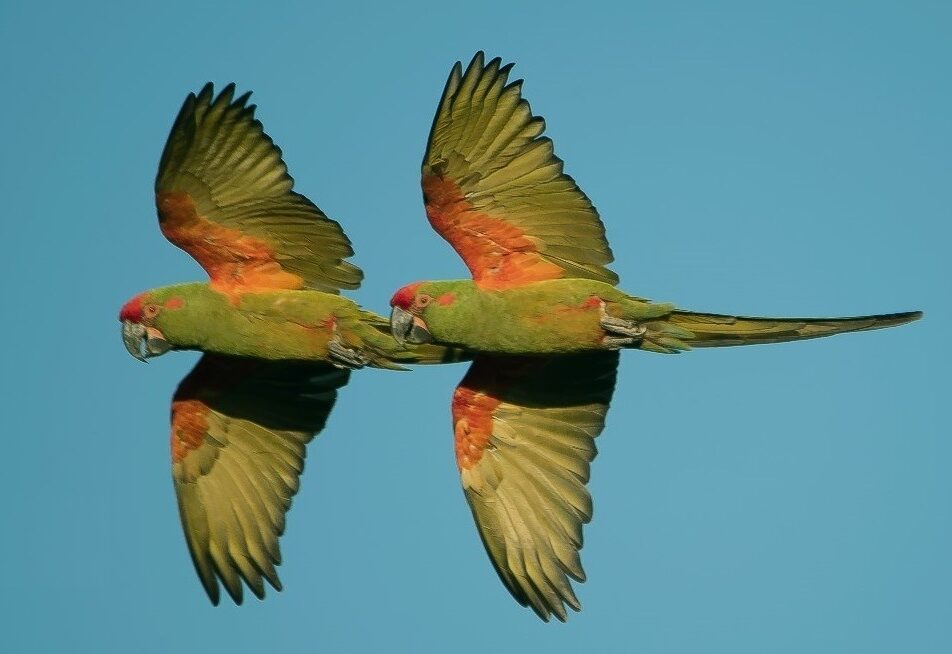
The highlight of this area is the chance to see the endangered Red-fronted Macaw, a spectacular and rare species restricted to the arid canyons of the Bolivian Andes. With only a few hundred individuals left in the wild, observing this macaw in its natural habitat is a truly unforgettable experience.
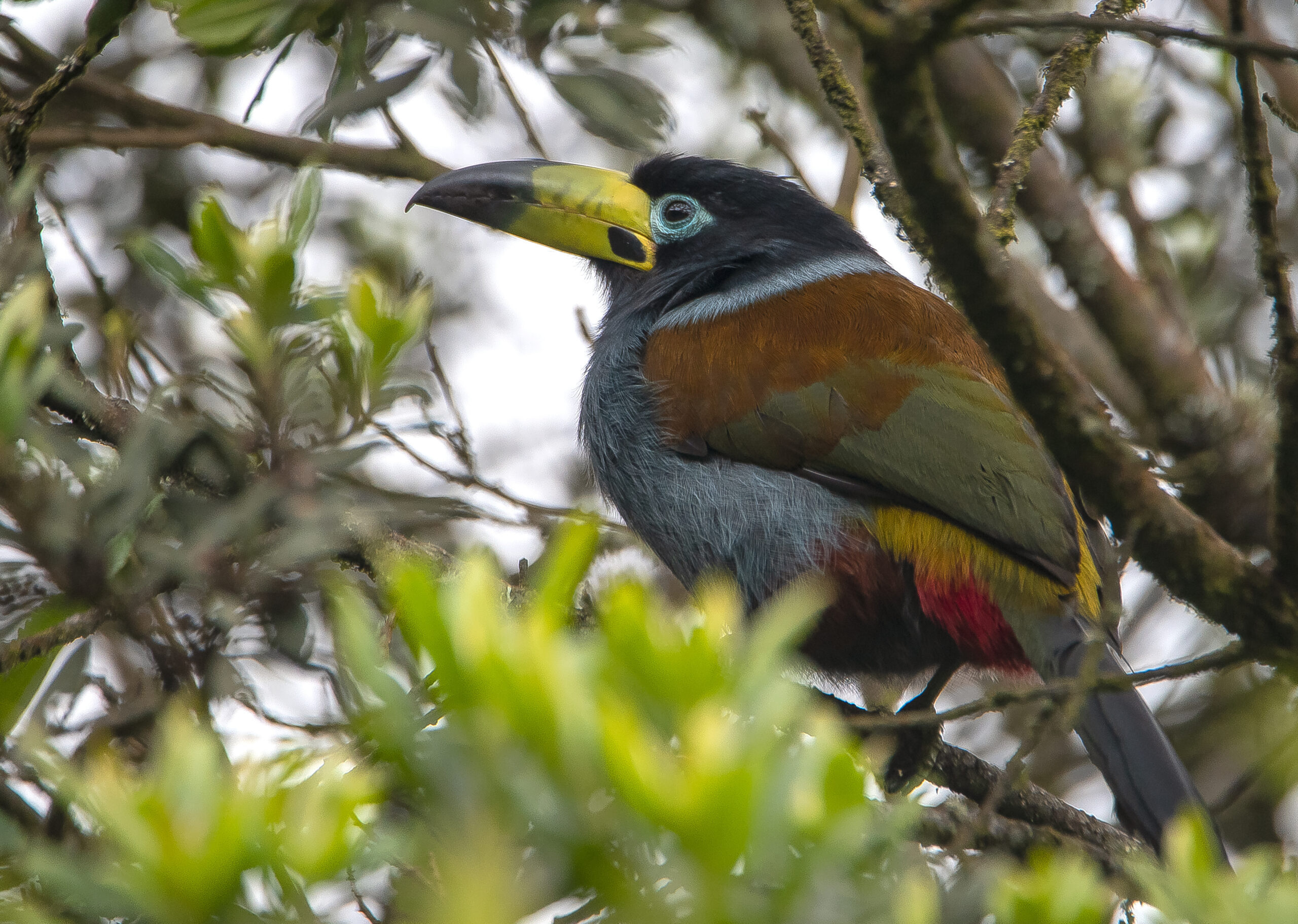
One day is spent in the cloud forests of Siberia (2,600 m), the southernmost limit of humid-temperate forest in South America. Here, trails and roads allow us to search for high-elevation forest birds among lush vegetation and misty landscapes, offering a striking contrast to the arid valleys below.
We undertake a birding transfer today back to Santa Cruz, picking up on any species that we may have missed.
Last Night in Santa Cruz
Transfer back To Santa Cruz Airport to wait for the international flight.